Archives

Introducing The Beer Craft, Beer and Brewing Podcast.

The Beer Craft: Beer and Brewing Podcast is your ultimate guide to homebrewing. Hosted by Ben Holm and Andrew Ziegler, this podcast is all about celebrating the craft of brewing beer, wine, cider, and mead. Each episode dives deep into the heart of brewing, offering everything from practical tips and techniques and history lessons that inspire and entertain to fascinating interviews with professional brewers. Whether you’re just starting or an expert looking for new ideas, The Beer Craft delivers insights, laughs, and the inspiration to make your next beer your best beer. It is also available on Apple Podcasts, Spotify, iHeartradio, Amazon Music/Audible, and YouTube.

Tune in on Wednesday at 6:30 Pacific time for new episodes.

  • Way back at the beginning of this podcast I sat down with Greg Pore co-owner and brewer at Terramar brewing and we had a fantastic talk about Berlinerweisse.  Unfortunately we weren't ready to have him in the studio at the time, but I promised him one day we would do so. Well, after over a […]
  • No guest tonight. Just us, a couple beers, and a list of things we're done pretending are true. We're taking a swing at the myths that won't die: Lagers are "too hard," extract beer is "inferior," you "need" a secondary, more hops always make a better IPA, and that airlock bubbling somehow tells you everything […]
  • Before Corona. Before Tecate. Before Mexican lager. Mexico had pulque (POOL-keh) — a thick, funky, fermented agave drink that was once the most popular alcohol in the country… and sacred to the Aztecs. So what happened? In this episode, we dig into one of the earliest "fake news" campaigns in alcohol history — a smear […]
  • We aren't getting political, but the price of a 4 pack of beer in the grocery store is getting a little ridiculous. $16 four packs!  This week on The Beer Craft, we break down the numbers and look at the economy of homebrewing. You can actually save money on beer by making it yourself. Plus, […]
  • I know I had posted this as a Make Beer Cheap Again, but I mixed up my audio files.  This week on the Podcast we take a look at the Northwest Beer Scene and answer some burning questions from the field.  Music Attribution  "Twisted" Kevin MacLeod (incompetech.com)Licensed under Creative Commons: By Attribution 4.0 Licensehttp://creativecommons.org/licenses/by/4.0/  "RetroFuture […]
  • We did a whole show about reading a COA, but sometimes we need something that we can chew on. This week on The Beer Craft we are looking at what we can do to test and evaluate our grain choices without all the math. So put down your slide rules, grab a beer or four, […]
  • Because I am more than a barley obsessed wrangler of single cell intoxicant creating critters, we are talking about wine kits! I know that both employ the tallents of saccharomyces cerevisiae, and that one molecule of glucose or sucrose amounts to the same thing as far as those unicellurlar marvels are concerned, and that just […]
  • If there ever was a beer that started the craft beer movement, a beer with one foot firmly rooted in history, and led by an unlikely pioneer, it would have to be San Francisco's Anchor Steam Beer. A beer style that was practicly extinct, a mere footnote in the lineup of a failing brewery, and […]
  • We sit down with a reguluar listener, Adam Woodworth and taste a line up of Pale Ales while discussing the in's and outs of Brew in a Bag (BIAB). We'll go over the process and dispel a few rumors this week on The Beer Craft.    Music Attribution  "Twisted" Kevin MacLeod (incompetech.com) Licensed under Creative […]
  • Going Way Beyond Rosemary time and basil this week on the Beer Craft Home Brewing Podcast, we take a look at the Botany of beer. We take a look at what Mother Nature has in store for the brewhouse, how to use them, and what we can do with them. There are more than a […]
  • Belgian beer looks chaotic from the outside, but there's a clear blueprint once you know where to look. This episode breaks down the core ideas behind the country's brewing culture and explains why Belgian brewers create beers that don't fit into tidy boxes. Ben and Andrew cover the four families of Belgian beer, the role […]
  • Recently I surveyed the local brewing community to find out directly what were the most significant sources of frustration, or problems they had in brewing. I wanted to put my finger on the pulse of the modern homebrewer. By far, the most common problem respondents had was making time to brew.  Since the pandemic, we […]
  • We're closing out our five-part beer design run with a bang. The last gap on the Northwest Brewers Supply beer list is a Cold IPA, so that's tonight's target. Is a Cold IPA just an IPL in new clothes? The BJCP hasn't said a word about it, so we dig into the difference. We look […]
  • Part 4 of the series, On Air Beer Design. Tonight, we tackle an Amber Ale. This hybrid of a Pale Ale was the signature beer for the West Coast for anyone who didn't want an IPA. I think we might have a tasty litttle number when we get throught the brew day.  So Sit back […]
  • This week on the podcast, we put our heads together on an oatmeal stout. We had plenty of inspiration, including a maple coconut stout that we are still drooling over.  Why wouldn't you want to listen to that?   Music attribution  "Twisted" Kevin MacLeod (incompetech.com) Licensed under Creative Commons: By Attribution 4.0 License http://creativecommons.org/licenses/by/4.0/ RetroFuture […]
  • We are back in the studio with another round of beer design. We wanted to create two more beers this week but we talk too much. We did manage to come up with another recipe, this time a mexi lager. We will come upo with a oatmeal stout next week.    So sit back with […]
  •   This week on The Beer Crafters, Ben and Andrew put their recipe-building hats on for a design session straight from the back room at Northwest Brewers Supply. First up: a crisp, clean classic Pilsner. Then, a malty heavyweight we're probably calling the "Agrivator" — a Doppelbock with enough attitude to stir up a few […]
  • This episode marks the anniversary of the show and the start of Season 2. Hard to believe we are still at it. Most podcasts end after 11 episodes. There is so much of you, the listeners, to blame for that. Thanks for joining us along the way.  This week on the Beer Craft, we take […]
  • The flavor of apple is not known as a star in the world of beer thanks to Acetaldehyde, but what about Pear? Can we shape a pale ale around the other fall fruit? This Week on the Show, we sit down with Mark Lutz, a  long-time homebrewer and friend of the show, to talk about […]
  • Beer History has been one of the ways that keep me ingaged in this hobby. A while back I thought about the beers that started the craft beer movement, from Fritz Maytag's Anchor Steam to Ken Grossman's Sierra Nevada Pale Ale. Here in Washington, there was a standout with the slogan "Think Globally, Drink Locally" […]

Late Hopping: Mastering the Art of Late Hopping for the Ultimate Brew

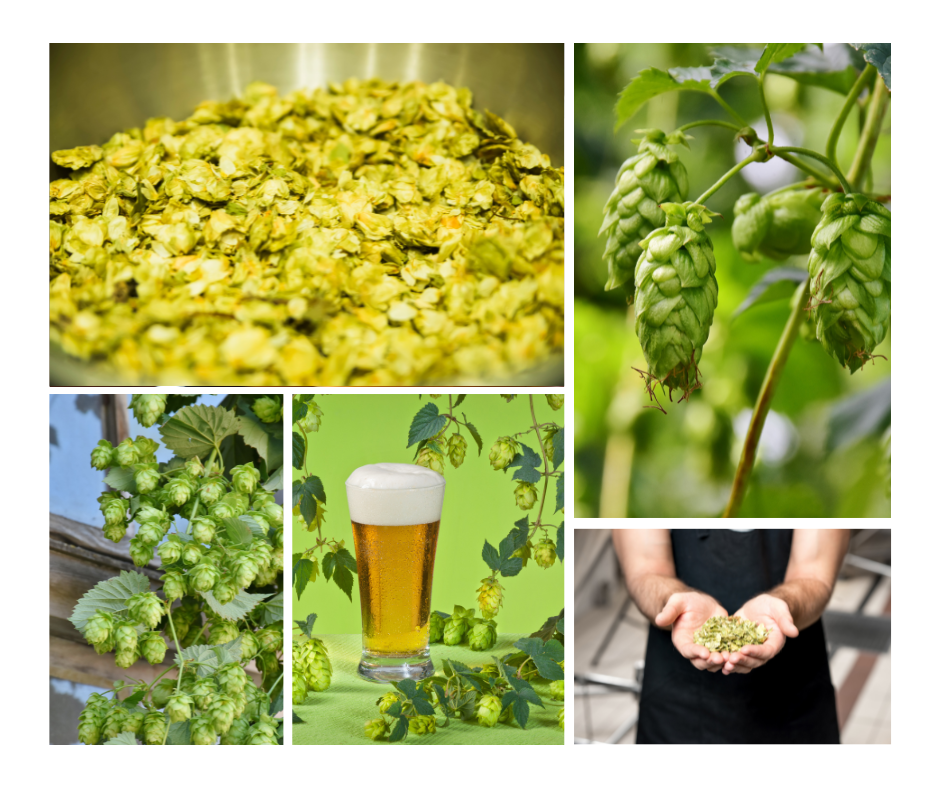
A collage of hop images.

Late Hopping

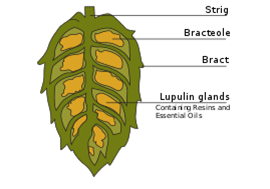
If you’re an avid homebrewer looking to take your craft to the next level, you’ve probably heard the term “late hopping.” Late hopping refers to any hopping that isn’t a boil addition. These advanced hopping techniques can elevate your beer, turn the hop aroma to eleven,  and add a hop brightness that boil additions just can’t touch. So, let’s peel back the bracts of late hopping, including hop bursting, hopstands, whirlpool hopping, and dry hopping methods. Plus, I’ll share a pro tip I picked up that could solve the hop oxidation problem for good. 

Hop Bursting: Amplify Those Aromas

Hop bursting is a late hopping technique in which you add a large portion of your hops late in the boil, typically in the last 15 minutes. Importantly, this method maximizes the hop flavor and aroma without overwhelming bitterness. Imagine your favorite IPA with an even more intense citrusy punch or floral bouquet. We employ this technique in this month’s seasonal beer kit, the White IPA

Why it Works:

Hop bursting allows you to pack your brew with hop oils and resins that might otherwise get lost with longer boil times. This is the late hopping technique that takes center stage in the IPA category. As far as the results, how about a beer that’s bursting with hop character and sure to delight your taste buds.

Hopstand Technique: The Secret to Smoothness

A hopstand involves adding hops after boiling while the wort is cooling. This technique extracts volatile hop oils for the fresh, fruity, and floral aromas we love without too much bitterness.

How to Do It:

  • After boiling, add your hops while cooing your wort.
  • Depending on how fast you chill, your wort will dictate how long this process lasts. You can adjust your chilling process to give your hops more or less contact time. 
  • Proceed with chilling your wort to fermentation temperature.
  • The hopstand technique provides a smooth, balanced hop profile, perfect for creating a well-rounded beer. It slightly increases bitterness and decreases hop aroma volatility during the boil. 

Whirlpool Hopping: Elevate Your Brew with Intense Aromas

Whirlpool hopping is a method that involves adding hops after chilling the wort. This hop technique extracts volatile hop oils responsible for the fresh, fruity, and floral aromas we all love without introducing bitterness. Whirlpool hopping is the way to go if you want to elevate your brew’s aroma profile.

Why Whirlpool Hopping Works

When hops are added at boiling temperatures, many delicate aromatic compounds are lost due to evaporation and degradation due to heat. By adding hops when the wort has cooled to around 170°F (77°C), you can preserve these essential oils, resulting in a beer with a rich, aromatic hop character that’s smooth and balanced.

How to Whirlpool Hop

  • Cool the Wort: After boiling, cool your wort to around 170°F (77°C). This is the ideal temperature to extract aromatic compounds without adding significant bitterness.
  • Add Hops: Add your hops once the wort has reached the desired temperature. You can mix hop varieties to achieve a complex aroma profile.
  • Stir and Steep: Stir the wort vigorously to create a vortex in the kettle. This will ensure the hops are evenly distributed. Then, let them steep for 20-30 minutes. This process allows the hops to infuse the wort with their essential oils.
  • Chill to Fermentation Temperature: After the hopstand, continue cooling your wort to your target temperature and proceed with your usual fermentation process.

Benefits of Whirlpool Hopping

  • Enhanced Aroma: Preserves the delicate, volatile hop oils for a more pronounced aroma.
  • Smooth Flavor: Adds hop flavor without the harsh bitterness from longer boil times.
  • Versatility: Whirlpool hopping can be used with various hop types to create unique and complex aroma profiles.
  • Easy Clean up: Whirpooling also collects all the trub, i.e., hop particles and coagulated proteins, into the bottom of your kettle, allowing you to keep it out of your fermenter. 

Dry Hopping Methods: The Finishing Touch

Dry hopping involves adding hops to the fermenter after primary fermentation is completed. This cold infusion method enhances the hop aromatics in beer and contributes aromatics that are notably distinct from those obtained through late hopping. This technique imparts a potent hop aroma to your beer without adding bitterness. This technique is the hallmark of English and American Pales, English Bitters, and IPAs.

Steps for Dry Hopping:

  • After fermentation, sanitize your hop bag and fermenter lid.
  • Carefully add your hops to the fermenter.
  • Let them steep for 3-7 days, then proceed with packaging.

Dry hopping methods are the final touch that can turn a good beer into a great one, ensuring that every sip is bursting with fresh hop aroma.

Pro Tip:

Many of us are concerned about infection and oxidation from dry hopping. The good news is that bacteria that would inhabit the hops don’t often survive the alcohol present in beer. 

Oxygen is another problem altogether, with very few options available to homebrewers. A few fermenters have the capability to purge oxygen from a hop chamber before adding it to the fermenter. These fermenters are usually designed for specific systems and may not be compatible with others. Even professional brewers have access to similar systems but they rarely use them. Every brewery I have ever toured can’t purge O2 from hops.

A couple of weeks ago, I saw a video montage of a bunch of brewers adding hops to a fermenter. I noticed that all the brewers were opening the bags inside the fermenter. Opening the bag inside the fermenter minimizes oxygen exposure because the headspace of a fermenter is oxygen-free, and the bag has been nitrogen-purged. This preserves the fresh aroma of the hops and prevents unwanted oxidation.

Recipe Highlight: Citrus Burst IPA

You can grab the recipe at https://www.brewersfriend.com/homebrew/recipe/view/1488928/citrus-burst-ipa

To showcase these advanced hop techniques, here’s a lead-in for a recipe that will highlight the citrusy and floral aromas we’ve been discussing.

Ingredients:
10 lbs Pale Malt
2 lbs Wheat Malt
1 lb Carapils

1 oz Centennial (15 minutes, hop bursting)
1 oz Amarillo (15 minutes, hop bursting)
2 oz Simcoe (whirlpool technique)
2 oz Citra (dry hopping method 3 to 4 days before you want to package)

Yeast: American Ale Yeast

Instructions:

Mash grains at 152°F for 60 minutes.

Boil for 60 minutes, adding Centennial and Amarillo in the last 15 minutes for hop bursting.

After the boil, cool to 170°F and add Simcoe hops for a 30-minute hopstand.

Chill wort to fermentation temperature, pitch yeast, and ferment as usual.

Add Citra hops as a dry hopping method 3 to 4 days before you want to package the beer. Remember to open the hop bag inside the fermenter!

By mastering these late hopping techniques, you can create a beer rich in hop aroma and flavor with a smooth and balanced profile. Happy brewing!

Embrace the Sour Side: Sour Beers

Ah, sour beers. Just hearing the name might make some cringe, conjuring images of spoiled brews and questionable aftertastes. Dread in the hearts of even seasoned beer lovers, the name alone can invoke. Like the dark side of brewing, some might recoil at the mere mention, but what if I told you the problem isn’t the taste but the name itself? Imagine if we rebranded it as “tart beer” instead. Sounds a lot better. I wonder if Sour Beers needs a little help in the marketing department. A long time ago, in a brew shop far, far away, I was asked if there was a good reference for sour beers that I could recommend, particularly kettle sours. What resources do I know of? Where should I look? Like Yoda, “In my 900 years of study, many books have I have read.” The path to the Sour side starts here.

Sci-fi starry background with text "Embrace the Sour Side"

Sour Beers: Hokey Religion or Ancient Weapon

“Sour beers, hmm. Misunderstood, they are. Powerful and refreshing, the tang can be. Like balance in the Force, a harmony of flavors they bring. Fear not the name, embrace the taste, you must.”. Several fantastic foods with lactic acid have great marketing and a devoted following. Think pickled vegetables, kefir, yogurt, cheese, miso, kimchi, sauerkraut, Grakkyn, Kyrf, Alderaanian Ale, sourdough bread, and sour cream. If sour cream can elevate a taco and pair beautifully with a cold beer, why can’t lactic acid work its magic in beer, balancing the light and dark sides to achieve brewing harmony?

It’s all about perspective. Remember, we’ve been conditioned to think of ‘sour’ as something to avoid, but in reality, a little tang can be pretty refreshing. The pucker factor of sour beers sure beats the heat. I hear that there is quite a market for sours on Tatooine. 

Kettle Sours: This is the Way

So, I was chatting with a fellow brewer eager to dive into the world of sour beers but needing help figuring out where to start. I assured them that the best place to begin is with a kettle sour. It’s quicker, easier, and less likely to result in unintended funky flavors of the Dark Side than traditional methods. Below is the recipe and process I shared to get them started: Plug it into your favorite Navicomputer or brewing software. I like Brewers Friend for its simplicity.

“Sour beers, hmm. Misunderstood, they are. Powerful and refreshing, the tang can be. Like balance in the Force, a harmony of flavors they bring. Fear not the name, embrace the taste, you must.”

-Ancient Dagobahnian proverb

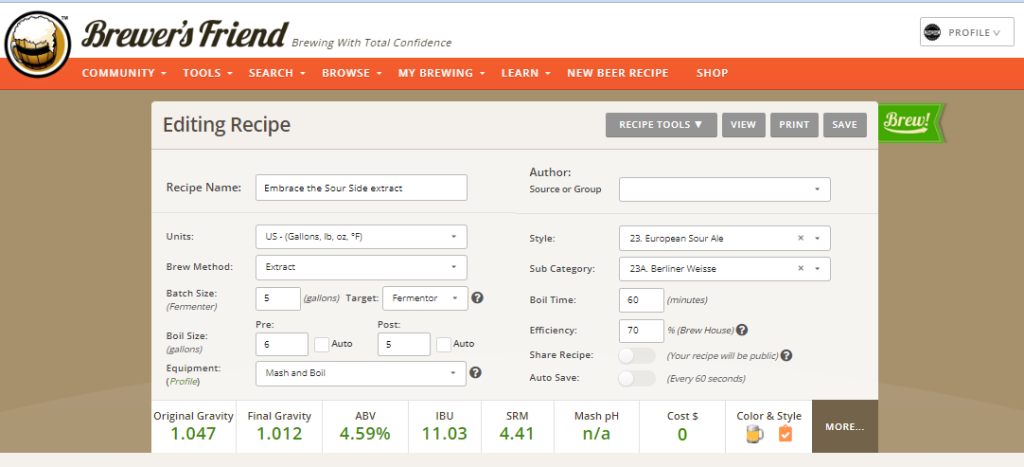
Quick Berliner Weisse Kettle Sour Recipe

Ingredients:

  • 25-50% Wheat Malt or extract
  • Pilsner Malt or extract
  • 10ml Lactic Acid
  • Noble Hops (small amount)
  • Lactobacillus culture
  • Ale Yeast

If you want to see the recipe, check out the extract at https://www.brewersfriend.com/homebrew/recipe/edit/1483312
or all-grain at https://www.brewersfriend.com/homebrew/recipe/edit/1483311

Kettle Sour Method:

  1. Mash and Sparge: Use a simple single infusion mash. The wheat malt will provide plenty of body even though this is a low-OG beer. If you are an extract brewer, you can make the calculations for the jump to light speed and skip ahead.
  2. Boil the Wort: Boil for 15 minutes, but wait to add hops. Hops inhibit Lactobacillus, which we need for souring.
  3. Lower the pH: It’s a good idea to lower the wort pH to 4.5. The lower pH helps prevent other bacteria or wild yeast from ruining the batch. You can use lactic acid, phosphoric acid, or even acid malt. 10ml of Lactic acid will get you there. Since we are after a lactic profile, it makes sense. 
  4. Fermentation Stage One: Cool the wort and start fermentation with Lactobacillus only. Keep it warm, around 112-115°F (44-46°C). You could use an electric blanket or FermWrap heater to maintain the temperature. Using one of the many electric mash kettle options, you can program the unit to hold that temperature, depending on your model.
  5. Monitor pH: Check the pH every 12 hours. When it reaches 3.6-3.8, it’s ready for the next stage.
  6. Boil Again and Hop: Boil the wort again, this time for 60, and add a small amount of hops. Boiling kills the Lactobacillus and stops further souring. 10 IBU’s is a good start. Since hops will no longer impact lactic acid formation, who am I to judge if you want a hoppy sour?
  7. Fermentation Stage Two: Aerate the beer and add your conventional ale yeast. Let it ferment out, then bottle or keg as usual.

Why Kettle Souring?

Kettle souring offers several advantages:

  • Speed: Jump to lightspeed: You can have a finished sour beer in a couple of months instead of the years traditional methods can take.
  • Control: Feel the Force: You can precisely manage the pH and sourness during the souring stage.
  • Clean Flavor: Balancing the Force: Kettle sours generally have a cleaner sour profile, free of the funky off-flavors that can come with other souring techniques.
  • Avoid further contamination: The Path to the Dark Side:  Since we kill the lactic bacteria, we don’t have to worry about contaminating the brewhouse, an advantage to traditional processes.

May the Force be with You

Helping fellow brewers start their journey is what it’s all about at Northwest Brewers Supply. Like Yoda teaching a fresh batch of Younglings. It’s no different for Sour beers. It’s not about convincing them that sour beer is perfect for everyone but showing them that “sour” can be refreshing, tangy, and downright delicious. So, with a good blaster at your side, an accurate star chart, and the knowledge that sour beers, like all good things, are about balance and perspective, there is no reason not to dip your toes in the deep end and join us on the Sour Side.

Summer Beers & How to Brew Them

alt=""

As the temperature begins to climb and the days grow longer, beer enthusiasts and homebrewers alike start to think about refreshing summer brews. Whether you’re relaxing on your porch or hosting a backyard barbecue, having the perfect summer beer can make any day feel like a vacation. The heat of summer does add a layer of complexity to the process. Afterall, most of the yeast we would choose really can really go bananas when the temperature gets too far north of 70. In this post, we’ll explore some of the best beers to brew for the summer and how to craft them yourself, even as the mercury rises.

Selecting the Right Yeast

Summer Friendly Strains: Belgian and Saison Yeasts

When brewing in warmer temperatures, the choice of yeast is crucial. Belgian and saison yeasts are perfect for higher fermentation temperatures. These yeasts thrive in warmth and contribute spicy and fruity flavors that are quintessential for summer beers. Styles like the Whidbey Wit or the Valley Saison will happily chug away at 76°F/24°C.

Built for the Heat: Norwegian Kviek Yeast

Another fantastic option for summer brewing is Norwegian Kviek yeast. This robust yeast can ferment at temperatures as high as 98 degrees Fahrenheit. The Lutra strain of Kviek yeast is particularly noteworthy for producing a clean, lager-like finish or a clean American ale profile even at higher temperatures. Meanwhile, the Voss strain can impart a flavor profile similar to traditional saison yeasts, adding a unique twist to your summer brews.

Cooling Techniques for Homebrewers

The Poor Man’s Swamp Cooler

Only some have the luxury of a dedicated brewing space with controlled temperatures. A simple and cost-effective method to manage fermentation temperatures is to use a “poor man’s swamp cooler.” Place your fermenter in a shallow pan or basin filled with water. Wrap the fermenter with a cotton towel or t-shirt—the cotton material is essential as it wicks water up the sides of the fermenter. Position a fan to blow over the fermenter, which, through evaporative cooling, can reduce the temperature a few degrees below the ambient room temperature.

Complete Your Brewhouse with a Fermentation Chamber

Consider building a fermentation chamber for those looking to take their brewing to the next level. This setup typically involves a standard chest freezer or refrigerator controlled by a digital dual-stage thermostat, like the Inkbird. We can add a heat source like a radiant heater like the Fermwrap, and the digital thermostat will regulate the temperature to within a degree. A fermentation chamber allows you to brew any beer style at any time of the year, utterly independent of seasonal temperature fluctuations. Additionally, if repeatable results are the goal, then temperature control is the 5th ingrediant for your beer.

Summer Brewing Tips for Hot Weather

Hydration and Shade

Hydration and shade become even more critical when brewing in the heat. staying hydrated while brewing in hot conditions is vital for personal safety. Water is your best friend for summer brewing activites. Too much beer in the heat is a great way to introduce errors into your brew.

The summer can make our garages stuffy and unpleasant and that patio looks like the perfect spot for your next batch. If your outdoor space doesn’t provide any shade, consider a pop up shade. Standing under the sund for 2 to 4 hours is a good way to get burnt.

Timing Your Summer Brewing Sessions

Plan your brewing sessions during the milder parts of the day. Early morning or late evening brews can be more comfortable while brewing. Hot August nights were made for brewing.

Summer Beer Styles to Consider

Light Lagers and Pilsners

These are classic summer favorites due to their crisp and refreshing qualities. The fizzy yellow beer is the beer you crave as the temperature begins to rise. Rember that lagers like the Clear Lake Lager, require precise temperature control during fermentation, so consider this if you have the proper setup.

Wheat Beers

Wheat beers are a popular beer style known for their unique fruity and spicy notes. Two popular types of wheat beers are hefeweizens and witbiers. Their distinctive banana and clove flavors characterize hefeweizens, while witbiers often feature coriander and orange peel notes. Wheat beers have a lighter, softer mouthfeel than other beer styles, making them an excellent choice for hot weather or a refreshing drink to enjoy after a long day. The inviting flavor profile of wheat beers makes them an excellent choice for beer lovers looking for a tasty and refreshing beverage.

Looking for a summer beer recipe? Click here to access the exclusive recipe and start brewing your refreshing wheat beer today: 6th St. Wheat Recipe. Enjoy the process and the delightful outcome as you sip your homemade creation!

Fruit Infused Beers

Summer is the perfect time to experiment with fruit-infused beers. We do live in berry city, after all. Whether it’s a raspberry wheat ale or a citrusy IPA, adding fruits can enhance the refreshing nature of your brews. Look to add the fruit in secondary to maximize their aroma potential.

Session IPAs

For hop lovers, session IPAs offer the hop-forward flavor of a traditional IPA but with a lower alcohol content, making them more refreshing and drinkable in the heat. We still want a good malt backbone, so consider adding Carapils dextrin malt to add body without a lot of color or caramel sweetness. 

Be sure to keep an eye open here on the website or Facebook when we release the White IPA kit as a summer seasonal kit.

The View from the Bottom of the Pint

Brewing summer beers is about keeping up with the season and adapting your brewing process to fit the warmer conditions. With the proper yeast selection, cooling techniques, and beer styles, you can enjoy the perfect summer brews that are as refreshing as they are flavorful. A summer without brewing sounds like a wasted opportunity, so gear up, get brewing, and prepare to enjoy the fruits of your labor under the sun!

Crafting the Original Pale Ale

In the ever-evolving landscape of craft beer, where innovation and tradition blend seamlessly, the quest for authenticity often leads us down memory lanes littered with forgotten recipes and the remnants of once-celebrated breweries. For this month’s seasonal beer kit, we resurrect a pale ale that is a piece of brewing history lost to time, guided only by a set of clues and the spirit of an era that reshaped the beer scene in the Pacific Northwest.

Sometimes, History Makes You Feel Old

History has a way of making us feel our age, especially for those of us straddling the line between generations who remember the zenith of the Seattle beer scene in the ’90s and 2000s and those for whom names like Pyramid Brewery and the closure of Rainier and Weinhard Brewing Companies evoke little more than a shrug. Yet, these landmarks formed the backdrop of a beer revolution in the Northwest, when the mantra “Think Globally, Drink Locally,” as championed by Hale’s Ale Brewery, wasn’t just a motto but a call to action.

Yet, these landmarks formed the backdrop of a beer revolution in the Northwest, when the mantra “Think Globally, Drink Locally,” as championed by Hale’s Ale Brewery, wasn’t just a motto but a call to action.

The Legacy of Hale’s Ale Brewery

Hale’s Ale Brewery, a pioneer in the Washington craft beer movement, opened its doors as the state’s third “microbrewery,” trailing just behind Grant’s in Yakima and Redhook in Seattle. At the time of its closure, Hale’s was Washington’s oldest craft brewery, a bastion of independence in an industry dominated by conglomerates. Hale’s brewery license was only the country’s 12th license since prohibition.

The Craft Beer Revolution

At Hale’s inception, I wasn’t even of legal age. I have only the history and memories of some of the landmark breweries I would get to visit, but the American brewing landscape vastly differed from what we know today. We called it ‘Microbrew’ back then because of the brewery’s small size compared to the corporate beer scene. The larger breweries could be running a 3400 barrel (bbl) brew house vs. the 10bbl size that Mike Hale’s, Ken Grossman’s Sierra Nevada, and many more would start with. For those who don’t know, a barrel is 31 US gallons. Budweiser, Molson, or Coors produce 210,800 gallons in the first of four daily shifts at a single brewery, which starkly contrasts the mere 310 gallons produced per batch by Hale’s. Budweiser alone has 12 such locations in the US alone, with 20 scattered globally.

“Budweiser, Molson, or Coors produce 210,800 gallons in the first of four daily shifts at a single brewery, which starkly contrasts the mere 310 gallons produced per batch by Hale’s .”

The Quest for a Lost Brew

Washington got its first-ever pale ale, Hale’s Pale American Ale. I wanted to re-create that beer with a link to our past. Unfortunately, we only know this beer through vague descriptions of its flavor profile – its nutty finish, resiny citrus character, and the distinctive touch of Wyeast Lab’s 1332 Northwest Ale yeast – since the brewery closed and the website is down. Crafting an original beer recipe that has vanished into the annals of history is no small feat, especially with such limited information. How do we capture the essence of a bygone beer from the beginning of an era when craftsmanship and local pride dictated brewing practices?

This image appeared in https://seattlemag.com/food-and-culture/city-seattle-proclaims-july-28-hales-ales-day/

How do we capture the essence of a bygone beer from the beginning of an era when craftsmanship and local pride dictated brewing practices?

Brewing Heritage

Looking at the history of the Pale American Ale, Mike Hale modeled his pale with a nod to tradition. Trained at Gales Brewery in England, Mike would even use classic English open fermentation vessels. With that tradition in mind, we can guess the malt choices Mike could have made. Sites like Untapped or old YouTube videos frequently mention a nutty profile. For this beer, I have chosen Simpson’s Marris Otter for its distinctive matching flavor profile and its link to traditional pale ales. I added a favorite, Victory Malt from Briess Malting, to support the Marris Otter profile. 

All that Bitters

The choice of hops in 1983 was a far cry from what is available today. Mike Hale brewed Washington’s first pale with Hallertau Mittlefrue because it was his only option. According to the legend, several tastings discussed the citrus and pine characters. While Hallertau may have been the only hop available initially, the first pale ale recipe would undoubtedly have switched to cascade. As the number one grown hop for decades, cascade would have been available to Hale’s in quantity as the brewery matured. 

The Star of the Show

Brewers make wort. It’s the yeast that makes the beer. For this Pale American Ale, we don’t need to do any detective work or fancy guesswork. Mike brought his yeast home from the UK. The Wyeast Lab would go on to add the culture to its library. With Wyeast 1332, a true top-cropping strain, we get a beer with a malty and mildly fruity finish with good depth and complexity. The strain has the lowest average attenuation percentage and tends toward the sweet side. To combat this, we will be mashing at a lower temperature with fresh yeast and hoping to finish a little drier than the average performance. For the extract version, we will substitute some of the malts with dextrose to produce a drier beer that is more in line with today’s beer palette.

Brewing Your Own American Pale Ale

We may never know how close we are to the original recipe but sometime’s a reminder of what we have lost is the most important thing. This American Pale is available as a kit for a limited time. The recipe and instructions are available at https://www.nwbrewers.com/seasonal-beer-kits/

The Bottom of the Pint

As we piece together this puzzle, let us remember that beer is more than just a beverage—it’s a living link to our cultural heritage, a story of resilience and passion. Whether you’re a long-time aficionado of the beer scene or a newcomer eager to explore its depths, join us in celebrating the spirit of brewing that continues to inspire generations. We can raise a glass to uncovering lost treasures and toasting to the pioneers who made it all possible.

Cheers!

-Ben Holm